
Crevano · Templates · Posters · 12x18 Poster Templates
12x18 Poster Templates
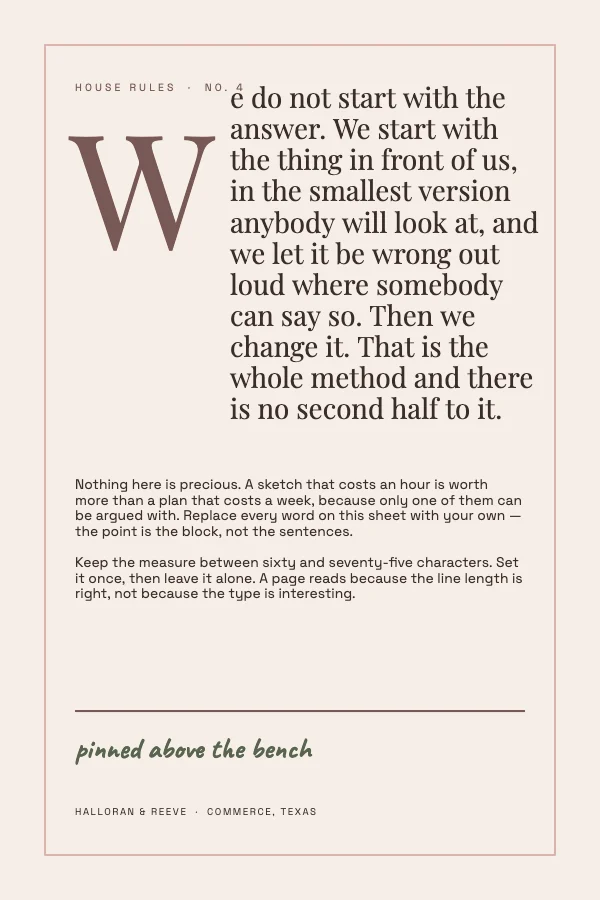
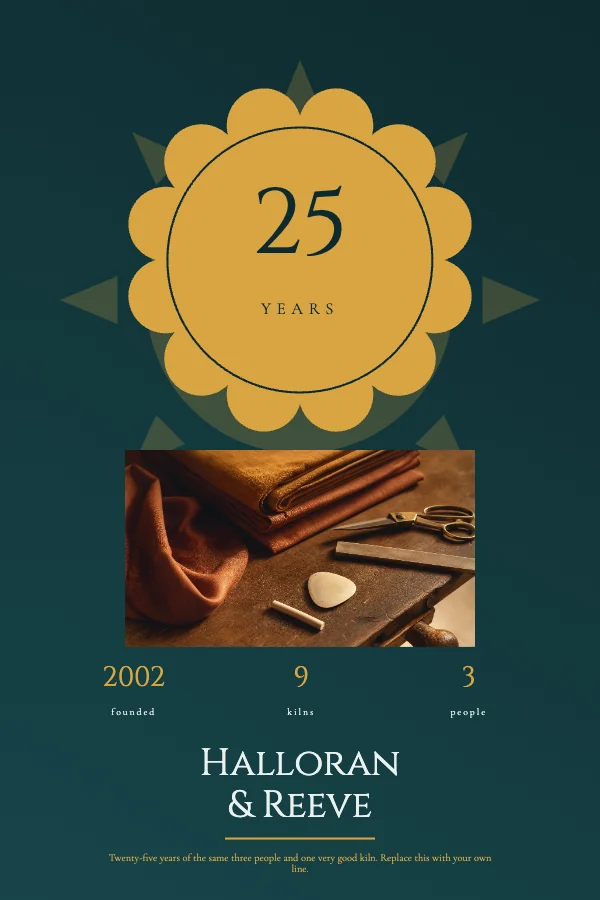
12 × 18 is the screen-printer's size and the art-print size: the same 2:3 proportion as a photograph, easy to frame, and noticeably cheaper than an 18 × 24. 2 templates at that trim, with 0.125 inch of bleed and a 200 DPI target.
| Trim size | 12 × 18 in |
|---|---|
| Bleed | none |
| Resolution target | 300 DPI |
| Templates | 2 |
| Pages | 2 |
No templates match that.
12x18 poster templates (2)
The proportions are the point
| Trim | 12 × 18 in |
|---|---|
| Ratio | 2:3 — the same shape as a 35 mm frame, a 4 × 6 print and an 8 × 12 |
| With bleed | 12.25 × 18.25 in |
| File at 200 DPI | 2,450 × 3,650 px with bleed |
| Text safe area | 0.375 in inside the trim |
| Reads from | 5 to 10 feet |
That 2:3 ratio is why photographers like this size and why 18 × 24 (a 3:4 ratio) sometimes feels wrong for a photograph: a full-frame image fits 12 × 18 exactly, with no cropping and no white band. If your poster is built around one photograph, this is very often the right trim and 18 × 24 is not.
It is also the standard screen-print size. Gig posters printed by hand are more often 12 × 18 than anything else, because it is the size the presses and the drying racks are built around, and because a run of a hundred is affordable at that size and not at 24 × 36.
Between two sizes, in cost and in presence
12 × 18 sits between 11 × 17 and 18 × 24, and the practical differences are worth stating plainly:
- Against 11 × 17: slightly larger, a better proportion for photographs, but it will not go through an office printer and it is not a same-afternoon copy-shop job everywhere.
- Against 18 × 24: about 60% of the area and usually well under the price, easier to mail, easier to hang, and it fits more walls. It has less presence at distance — past about ten feet, 18 × 24 wins.
If the poster is being sold as an art print rather than posted as an advertisement, 12 × 18 is almost always the better choice: it frames easily, it ships in a smaller tube, and buyers have wall space for it.
Bleed, margins and the frame
0.125 inch of bleed on all sides, exported at 12.25 × 18.25. Keep type 0.375 inch inside the trim — a little tighter than 18 × 24 because the sheet is smaller and cuts more accurately, and a little looser than a card.
One extra consideration if it is going in a frame rather than on a wall with tape: a frame's rebate covers the outer eighth to quarter inch of the print, and a mat covers a further quarter inch. If you know the poster is going to be framed, treat the safe margin as half an inch and keep any signature or edition number well inside it. That is the same rule as wall art, applied to a poster.
Questions
How big is a 12x18 poster?
12 inches by 18 inches — a foot by a foot and a half. It is a 2:3 ratio, the same proportion as a standard photograph, and about 60% of the area of an 18 × 24.
Why do screen printers use 12x18?
It is the size the presses, screens and drying racks are set up around, and it keeps a hand-printed run of a hundred affordable. It is the most common gig-poster size for hand-printed work.
What DPI does a 12x18 poster need?
200 DPI, giving a 2,450 × 3,650 pixel file with bleed. It is read from five to ten feet, where 300 is more detail than the eye resolves. Raise it to 300 only if there is a block of small type meant to be read up close.
Should I choose 12x18 or 18x24?
12 × 18 if the poster is built around a photograph, is going in a frame, or is being sold as an art print — the proportions and the price both favor it. 18 × 24 if it has to work from more than ten feet or has to compete with other posters.
Can I print 12x18 at home?
No. It is larger than tabloid, so it needs a wide-format printer or a print shop. Print an 8.5 × 11 proof at home first to check colors and catch typos.
What frame fits a 12x18 print?
12 × 18 frames are stocked, and 12 × 18 also mats neatly into an 18 × 24 frame. If it is going to be framed, keep everything at least half an inch inside the trim — the frame rebate and the mat between them cover more than the bleed does.
Where to go next
Other sizes
Put together an occasion
Every category
How printing works
Open any of these and it is already the right size. Bleed, margins and trim are set, and there is no watermark on anything you export — on any plan, ever.