
Crevano · Templates · Invitations & Cards · 5x7 Invitation Templates
5x7 Invitation Templates
5 × 7 inches is the standard invitation: the size wedding stationery is sold in, the size A7 envelopes are made for, and the size a printer will quote without asking a question. 19 templates at that trim, at 300 DPI with 0.125 inch of bleed.
| Trim size | 5 × 7 in |
|---|---|
| Bleed | none · 0.125 in |
| Resolution target | 300 DPI |
| Templates | 19 |
| Pages | 19 |
No templates match that.
5x7 invitation templates (19)
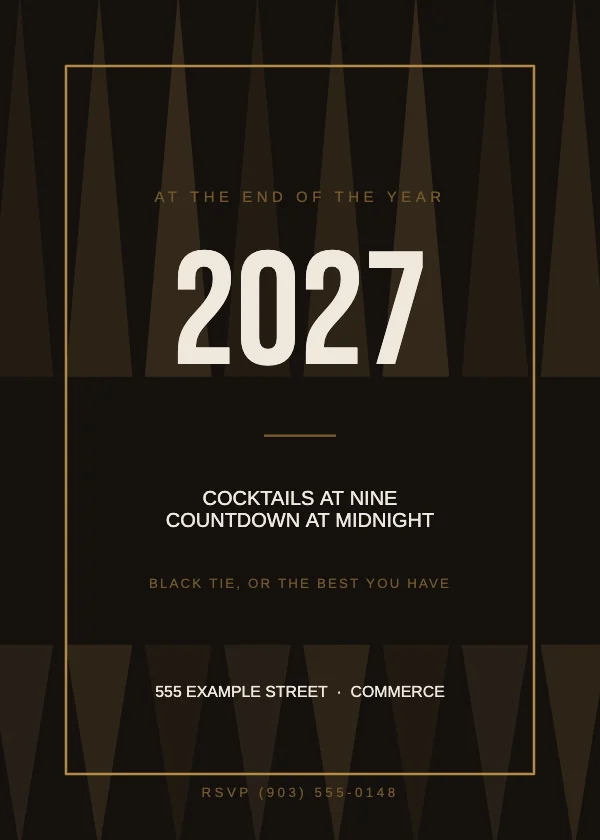 Deco New Year Party InvitationPro
 Modern Dinner Party InvitationPro
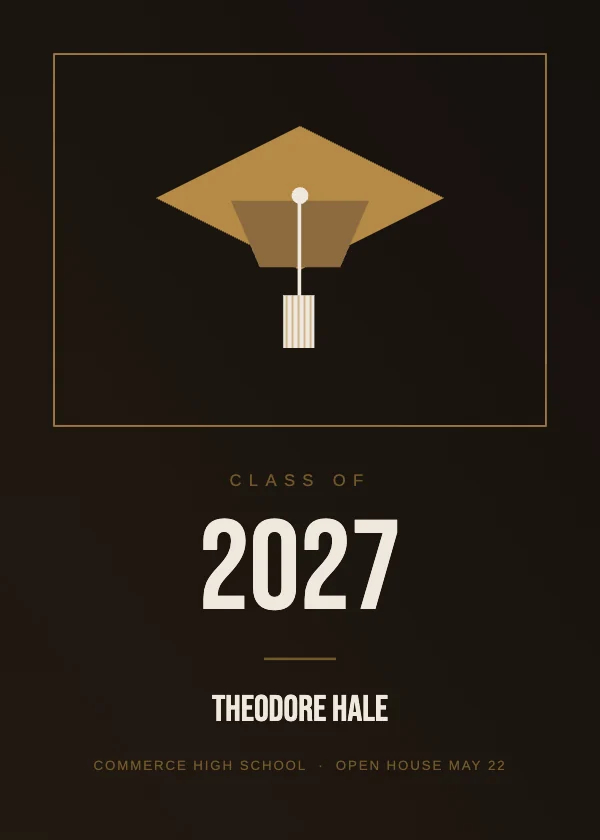 Modern Graduation AnnouncementPro
 Minimalist Birth Announcement Photo CardPro
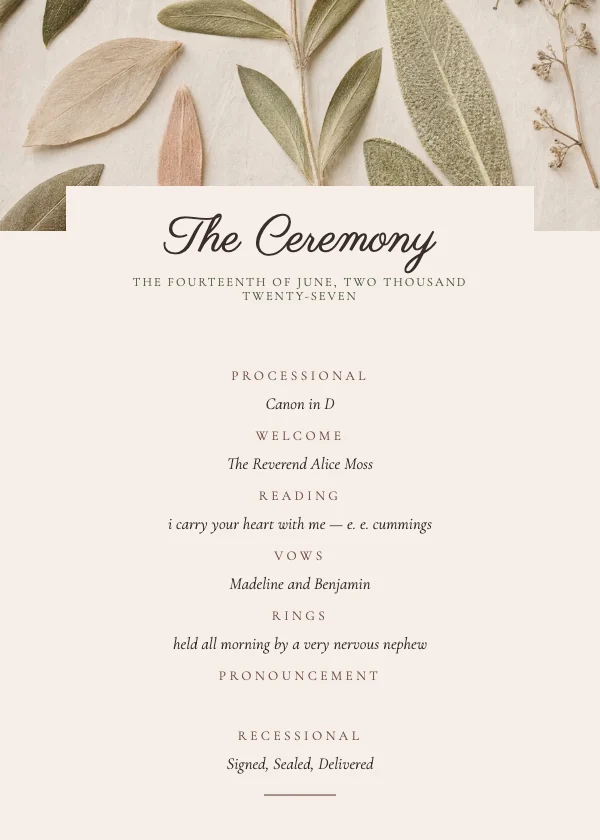 Elegant Wedding Ceremony ProgramPro
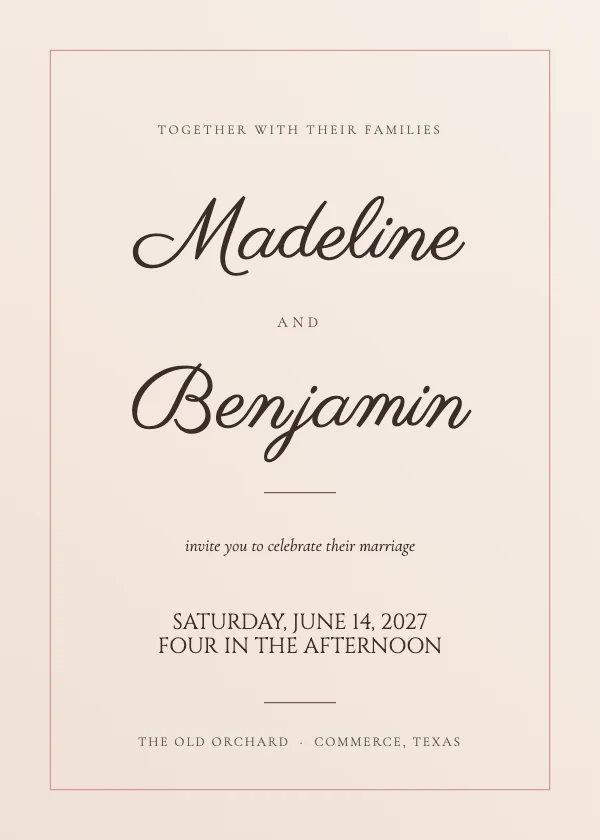 Elegant Wedding InvitationPro
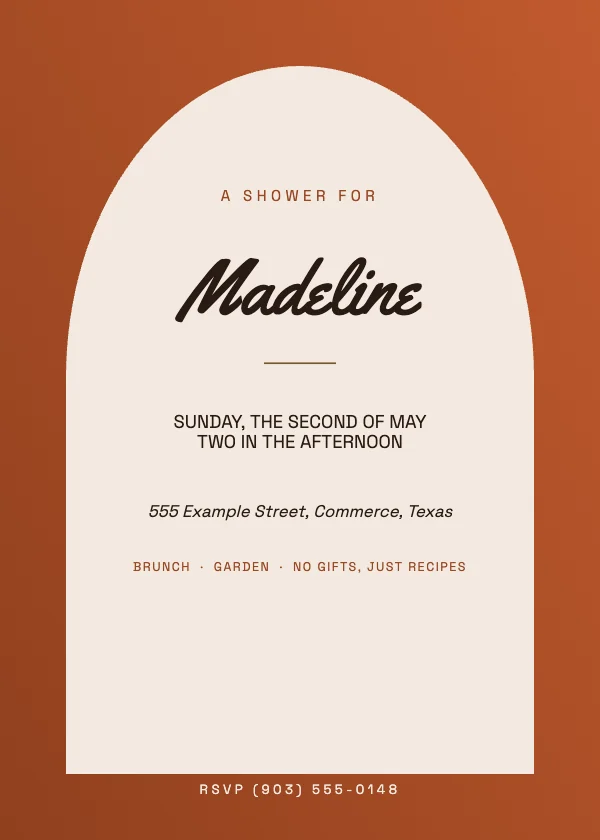 Warm Bridal Shower InvitationPro
 Bold Sweet Sixteen and Quinceañera InvitationPro
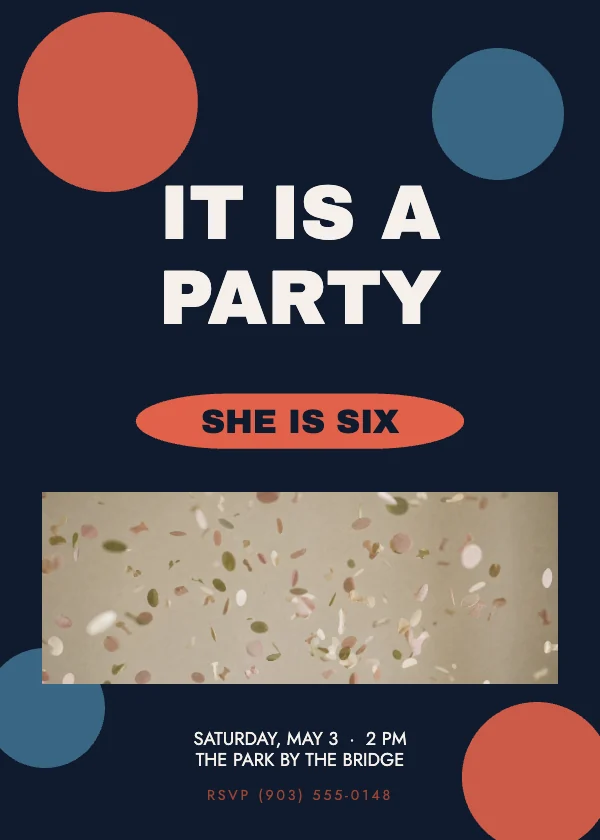 Playful Birthday Invitation
 Editorial Retirement Party InvitationPro
 Vintage Halloween Party InvitationPro
 Bold Gender Reveal Party InvitationPro
 Botanical Baby Shower InvitationPro
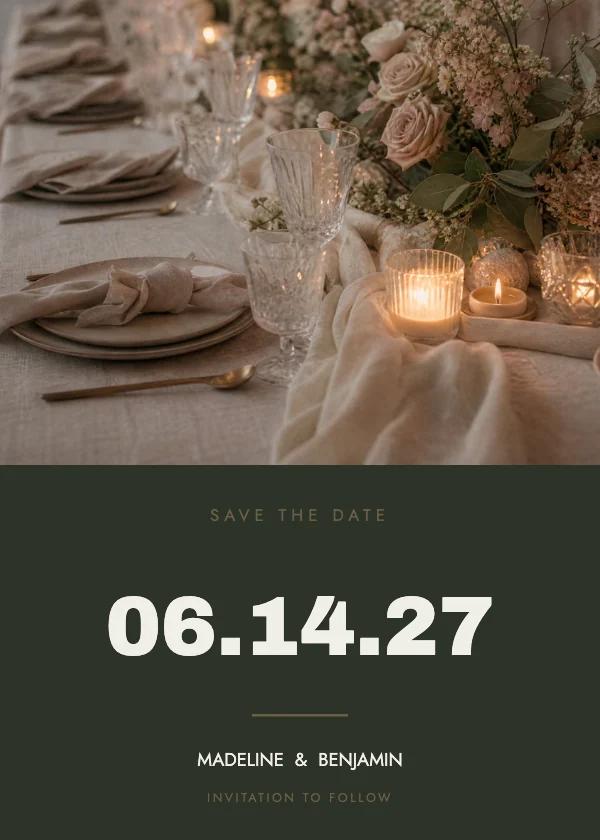 Modern Save the DatePro
 Minimalist Holiday Photo CardPro
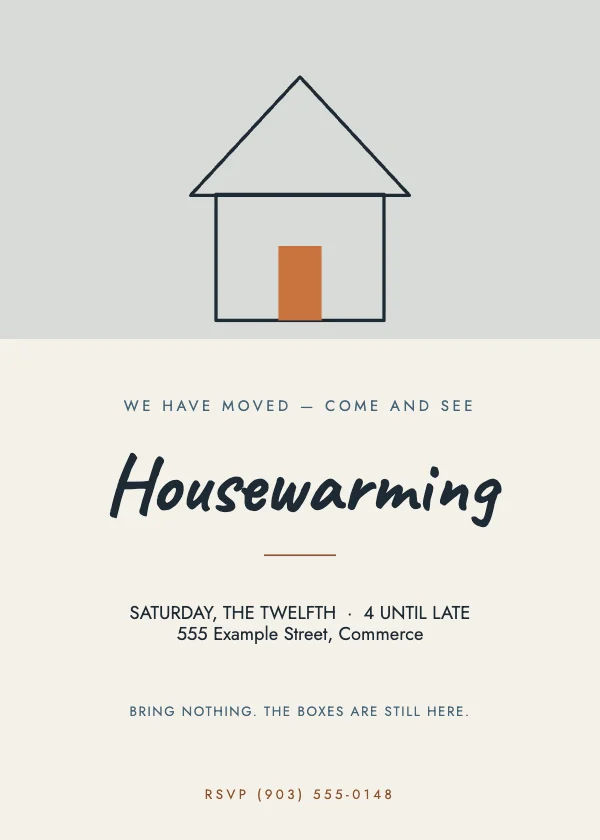 Minimalist Housewarming and Open House InvitationPro
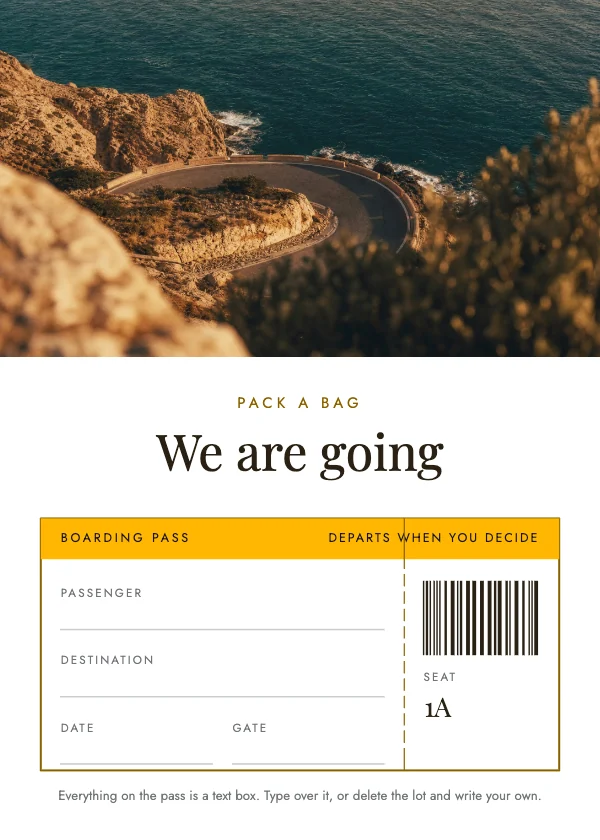 Travel Trip Reveal CardPro
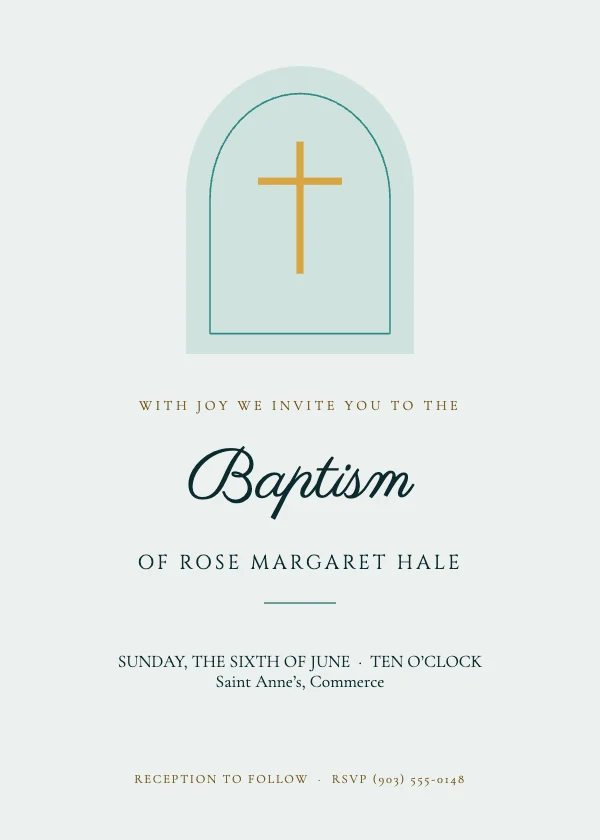 Classic Baptism and First Communion InvitationPro
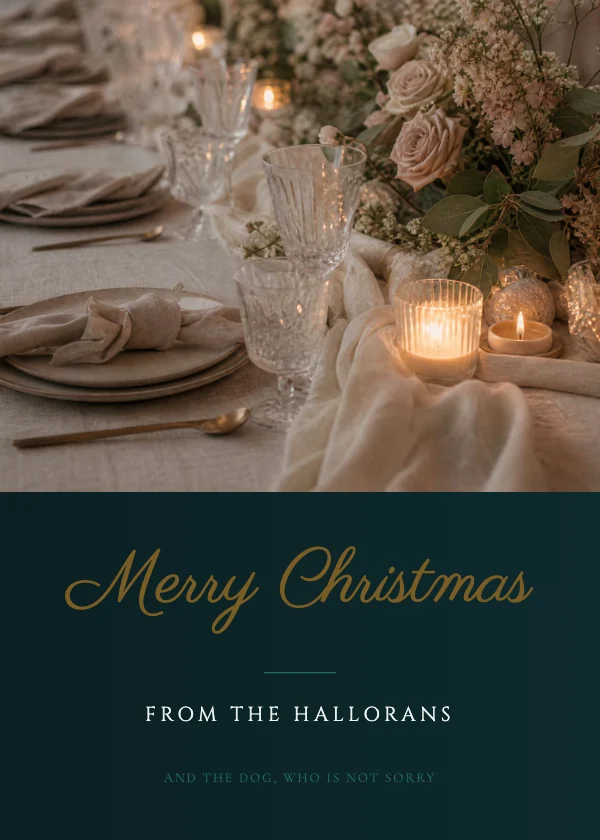 Classic Christmas Photo CardPro
The numbers, including the envelope
| Trim | 5 × 7 in |
|---|---|
| With bleed | 5.25 × 7.25 in |
| File at 300 DPI | 1,575 × 2,175 px with bleed |
| Envelope | A7 — 5.25 × 7.25 in |
| Text safe area | 0.25 in inside the trim |
| Folded version | a 10 × 7 flat sheet, scored down the middle |
| Postage | usually a standard letter rate in a paper envelope; check weight if the card is heavy or has an insert |
The envelope is why this size exists. A7 is the most widely stocked envelope in North America, in every color anyone prints, in cotton, in kraft, in pearlescent. A card at any other size means either a custom envelope or a card that rattles.
Bleed on a card, and the border problem
0.125 inch on all four sides. On a 5 × 7 that eighth of an inch is a larger proportion of the piece than it is anywhere else on this site, and it changes one design decision.
Do not use a thin border. A quarter-inch frame around a 5 × 7 that is meant to look even will not be even — the blade lands slightly differently on each card in the stack, and on a piece this small the eye reads a half-millimeter difference between the left and right margins immediately. The two safe options are a full-bleed color or photograph running right off the edge, or a generous border of half an inch or more where a small error is invisible.
Keep every piece of text 0.25 inch inside the trim. That leaves a 4.5 × 6.5 inch working area, which is the real canvas — and it is why a well-set invitation carries six or seven lines rather than twelve.
What actually goes on a wedding invitation
The convention exists because it answers questions in the order people ask them, and departing from it usually means somebody has to send a follow-up message.
- Who is hosting — the line that traditionally names the parents, and increasingly names the couple
- The request — "request the pleasure of your company", or whatever voice the event has
- Who is marrying whom — the two names, and this is the largest thing on the card
- When — day, date, time. Spelled out on a formal invitation, numeric on a modern one
- Where — venue, then city. The street address usually goes on the detail card, not here
- The reception line — "reception to follow", or the time and place if it is elsewhere
- Dress code, if there is one, smallest, at the bottom
Everything else — directions, hotel blocks, registry, RSVP — goes on separate enclosure cards. A 3.5 × 5 detail card is the standard companion piece and it is what stops the main invitation becoming a leaflet.
Printing 5 × 7 cards
At home it is one card per letter sheet with a wide margin to trim off, which is wasteful but workable for a small quantity. Print without bleed if you are cutting by eye; bleed only helps if you can cut accurately enough to land inside it, which means a guillotine or a trimmer with a real fence rather than scissors.
At a shop the price per card falls steeply with quantity, and past about thirty cards it is usually cheaper than the cardstock and ink you would use at home — before counting the ones you would ruin. Send a PDF at 5 × 7 trim with bleed included, say the trim size, and say whether it folds.
Use a cover stock. 110 lb is the weight that reads as a real invitation in the hand; 80 lb is the light end and feels like a flyer. Uncoated and matte take a fountain pen and a calligraphy nib; coated stock does not, which matters if the envelopes are being addressed by hand to match.
Questions
What size is a standard invitation?
5 × 7 inches. It is the standard for weddings and formal invitations, and it fits A7 envelopes, which are the most widely stocked envelope size there is.
What envelope fits a 5x7 card?
A7 — 5.25 × 7.25 inches. That is a quarter inch larger than the card in each direction, which is what you need to get the card in and out without bending a corner.
Does a 5x7 invitation need bleed?
Yes if any color or photograph reaches the edge — 0.125 inch on each side, making the file 5.25 × 7.25 inches. If the card has a wide white border you can skip it. Avoid thin borders either way; the trim will not be even enough.
Can I print 5x7 invitations at home?
Yes, one per letter sheet, trimming off the margin. Print without bleed if you are cutting by eye. Check your printer's maximum card weight — most stop around 65 to 80 lb cover, which is lighter than a shop-printed invitation.
How do I make a folded 5x7 card?
Design it flat at 10 × 7 with the front on the right-hand half, and ask the print shop to score it. Card over about 80 lb cracks white along the fold if it is folded without being scored first.
What goes on the invitation and what goes on a separate card?
The invitation carries who, what, when and where. Directions, hotels, registry and the RSVP go on enclosure cards — a 3.5 × 5 detail card is the standard companion. Crowding all of it onto the main card is what makes an invitation look like a leaflet.
Where to go next
Put together an occasion
Every category
How printing works
Open any of these and it is already the right size. Bleed, margins and trim are set, and there is no watermark on anything you export — on any plan, ever.