
Crevano · Templates · Invitation and Card Templates
Invitation and Card Templates
31 invitations and cards at the sizes envelopes are actually sold in — 5 × 7, 4 × 6, A2 at 4.25 × 5.5, and 3.5 × 5 — every one at 300 DPI, most with 0.125 inch of bleed. Weddings, showers, birthdays, save the dates, thank yous and enclosure cards.
| Trim sizes | 4.25 × 11 in · 5 × 7 in · 6 × 4 in · 4 × 6 in · 4.25 × 5.5 in · 3.5 × 5 in · 3.5 × 4 in |
|---|---|
| Bleed | none · 0.125 in |
| Resolution target | 300 DPI |
| Templates | 31 |
| Pages | 36 |
No templates match that.
Invitation and card templates (31)
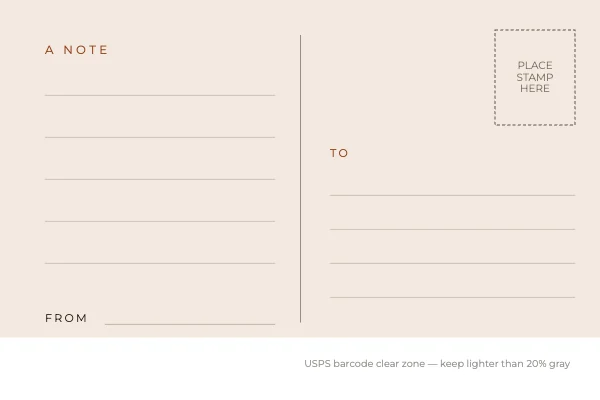 Simple Postcard Back with Address Panel
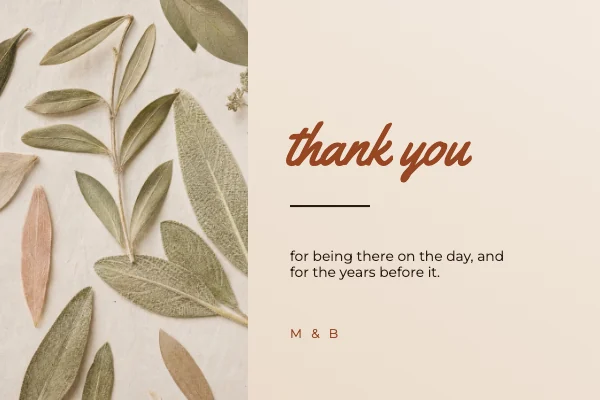 Simple Thank You PostcardPro
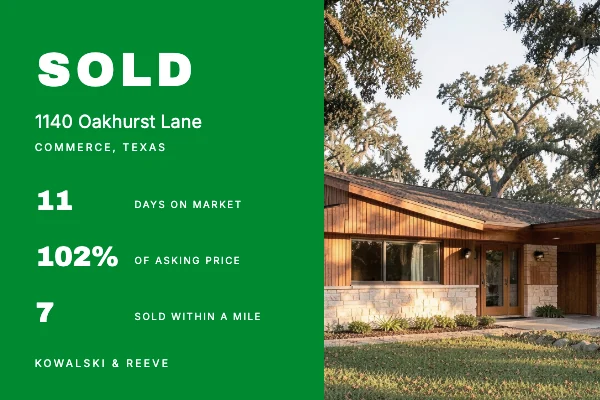 Real Estate Just Sold PostcardPro
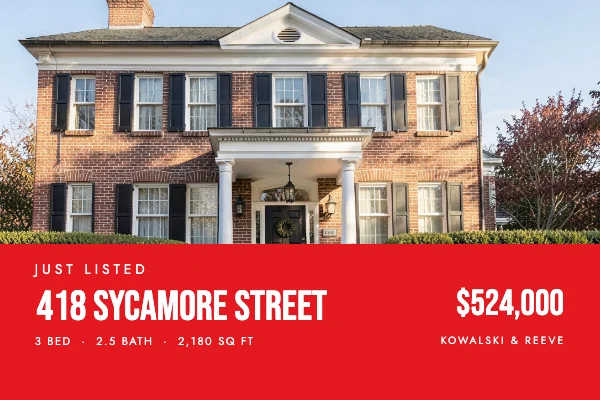 Real Estate Just Listed Postcard
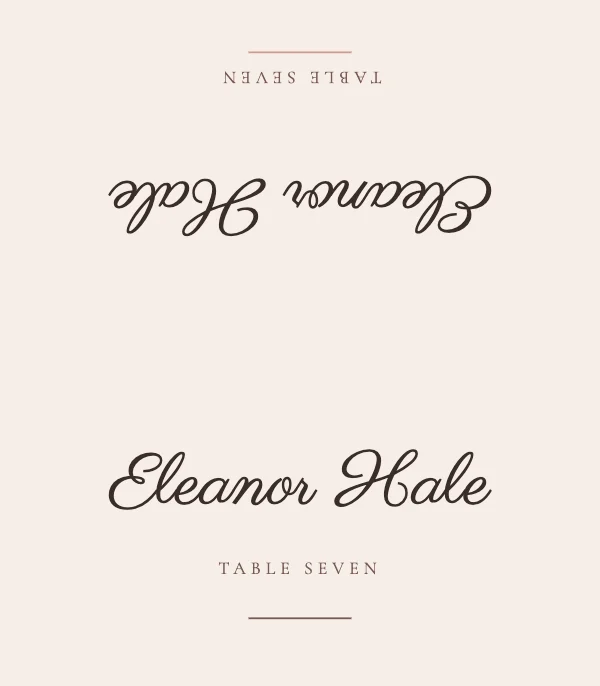 Elegant Folded Tent Place CardPro
 Minimalist A2 Folded Sympathy Note CardPro
 Elegant A2 Folded Wedding Thank You NotePro
 Playful A2 Folded Birthday Greeting Card
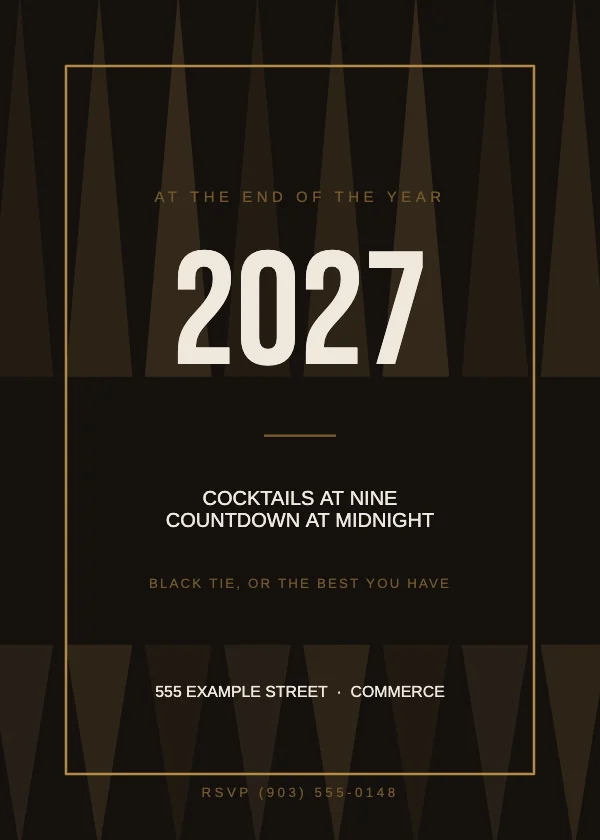 Deco New Year Party InvitationPro
 Modern Dinner Party InvitationPro
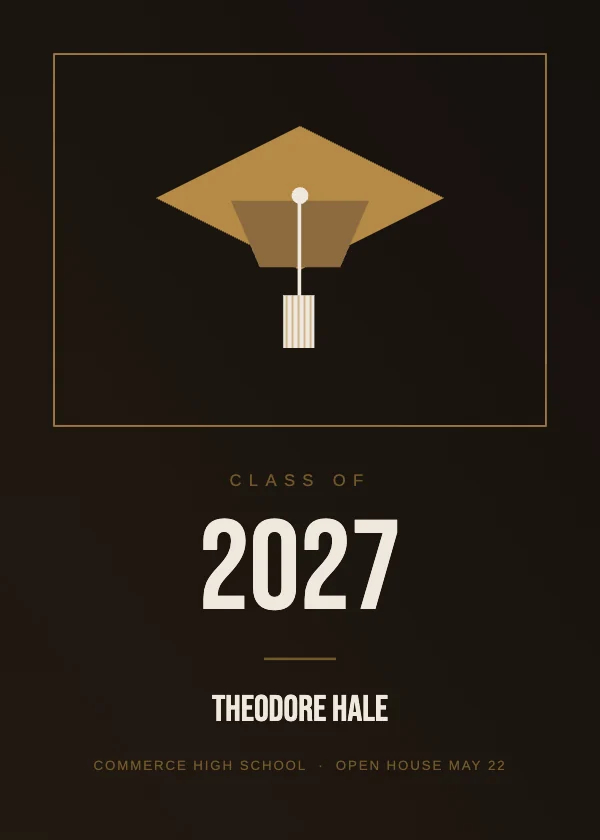 Modern Graduation AnnouncementPro
 Minimalist Birth Announcement Photo CardPro
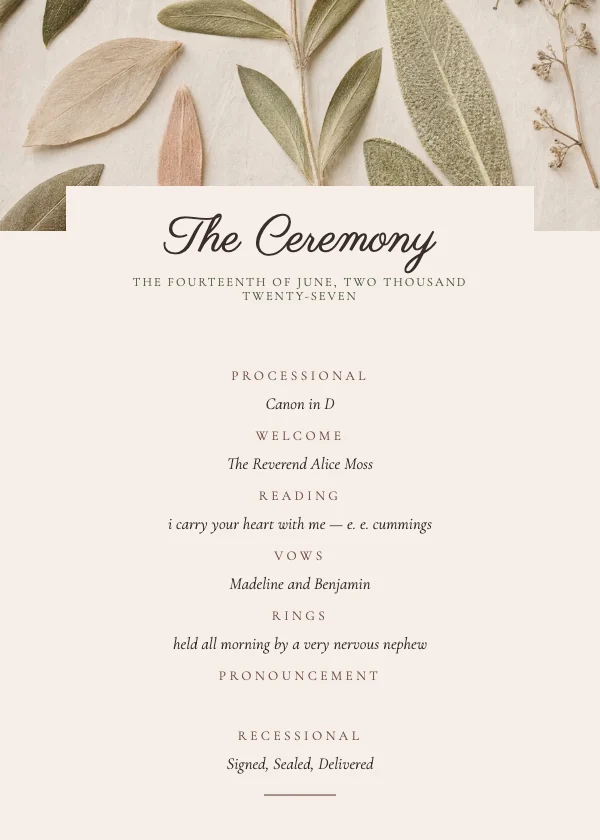 Elegant Wedding Ceremony ProgramPro
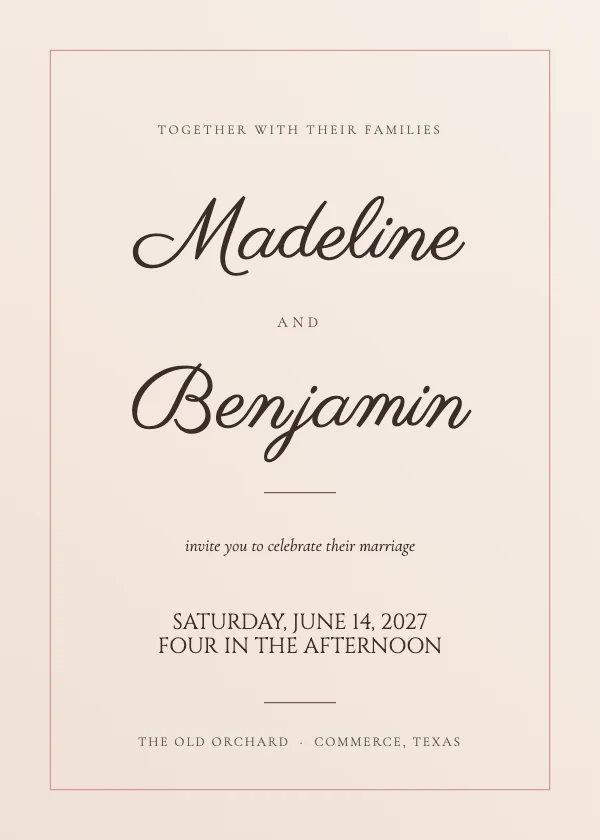 Elegant Wedding InvitationPro
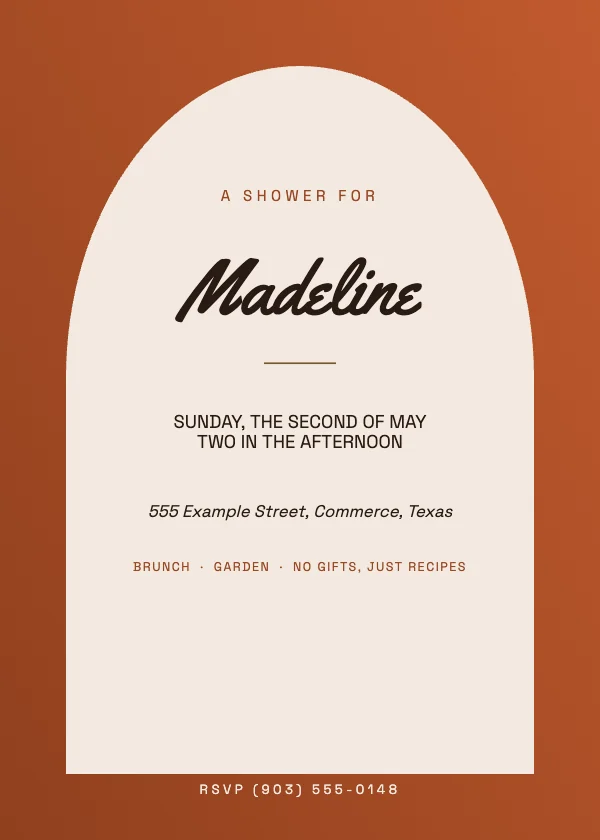 Warm Bridal Shower InvitationPro
 Bold Sweet Sixteen and Quinceañera InvitationPro
 Playful Birthday Invitation
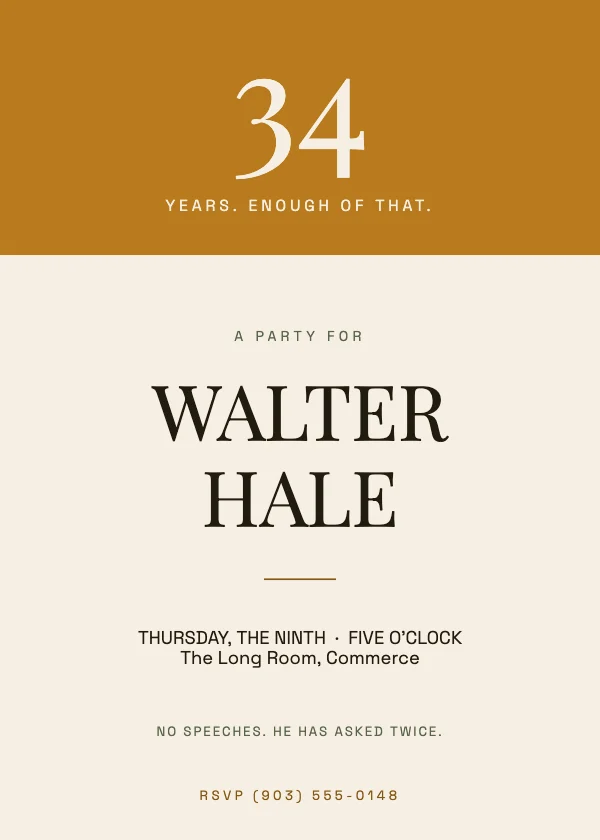 Editorial Retirement Party InvitationPro
 Vintage Halloween Party InvitationPro
 Bold Gender Reveal Party InvitationPro
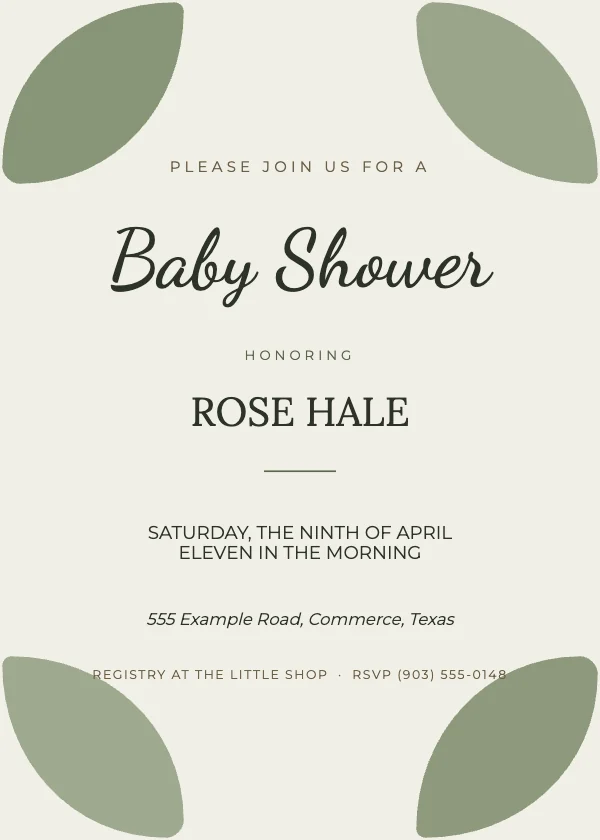 Botanical Baby Shower InvitationPro
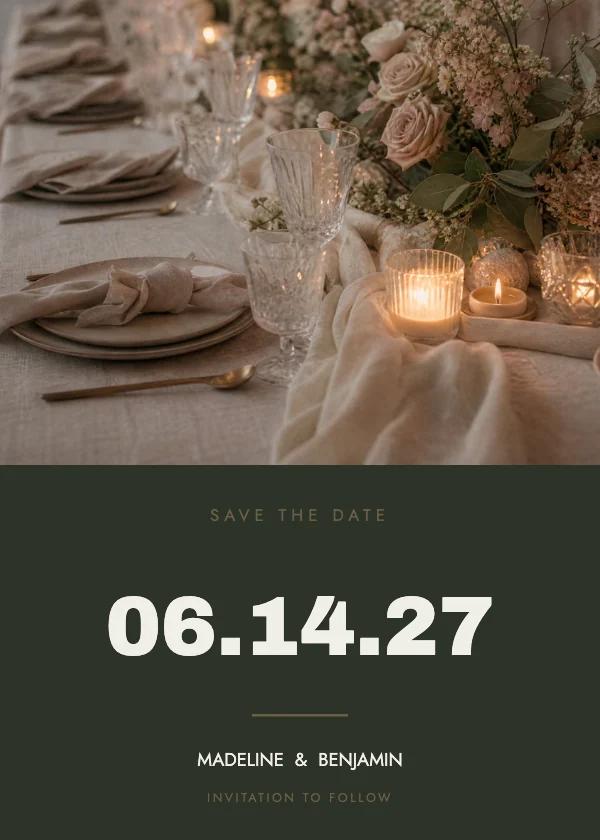 Modern Save the DatePro
 Minimalist Holiday Photo CardPro
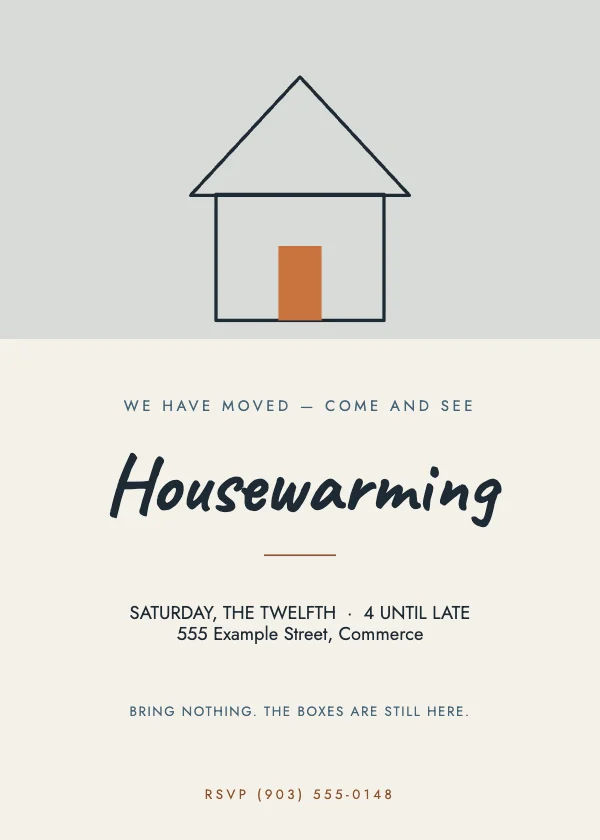 Minimalist Housewarming and Open House InvitationPro
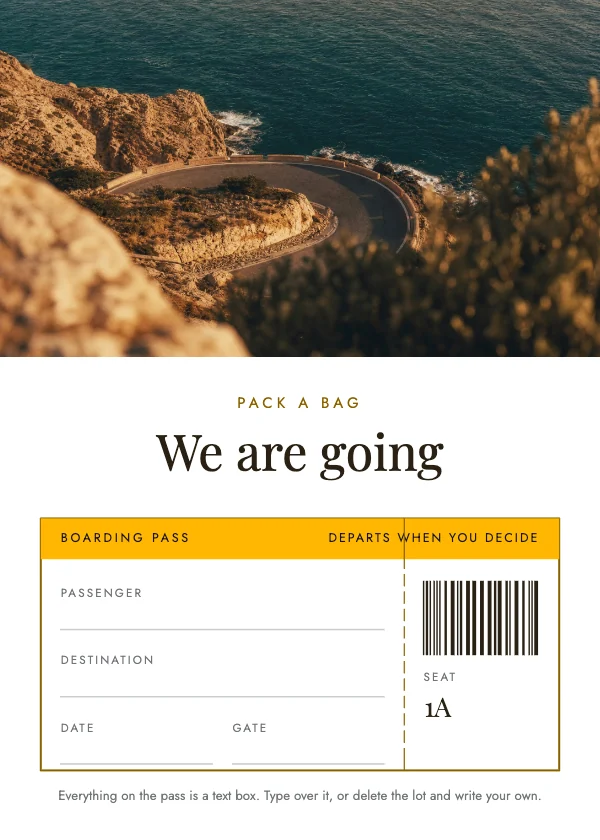 Travel Trip Reveal CardPro
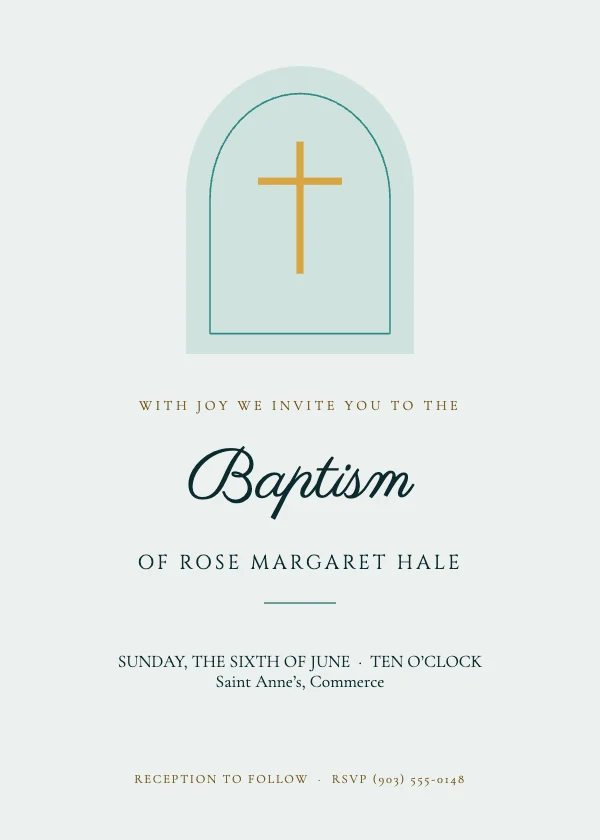 Classic Baptism and First Communion InvitationPro
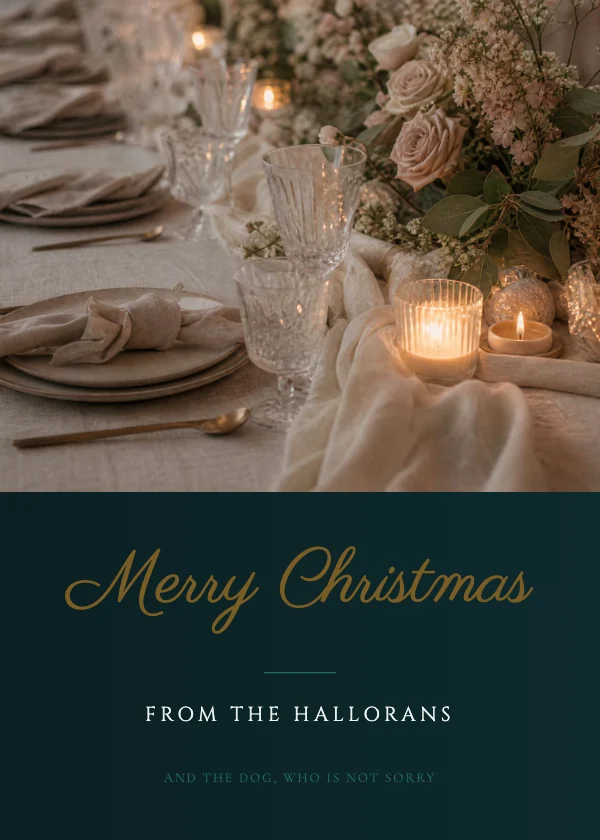 Classic Christmas Photo CardPro
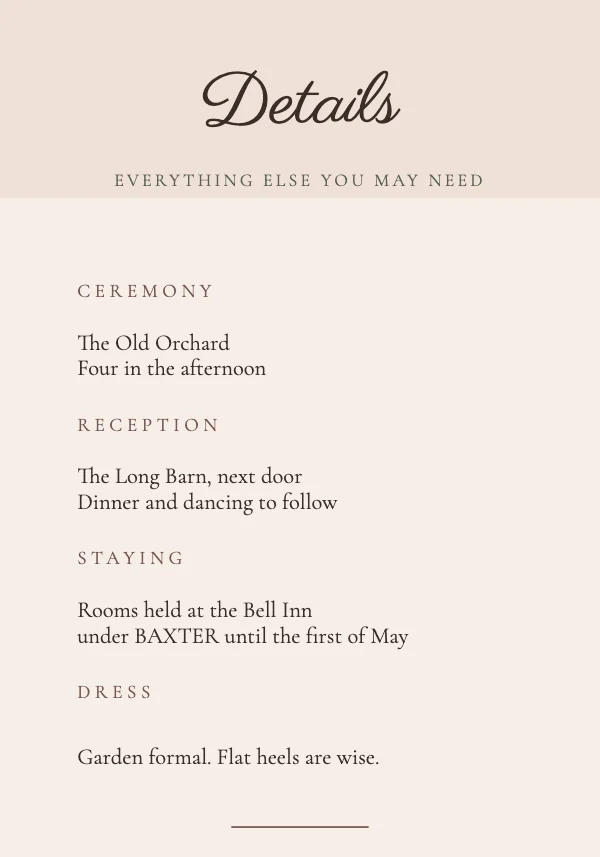 Elegant Wedding Details Enclosure Card
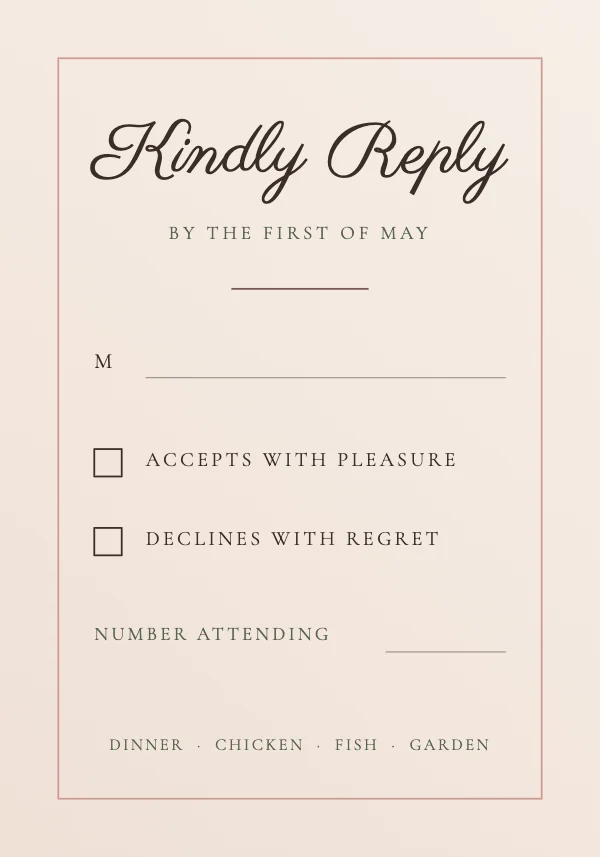 Elegant Wedding RSVP CardPro
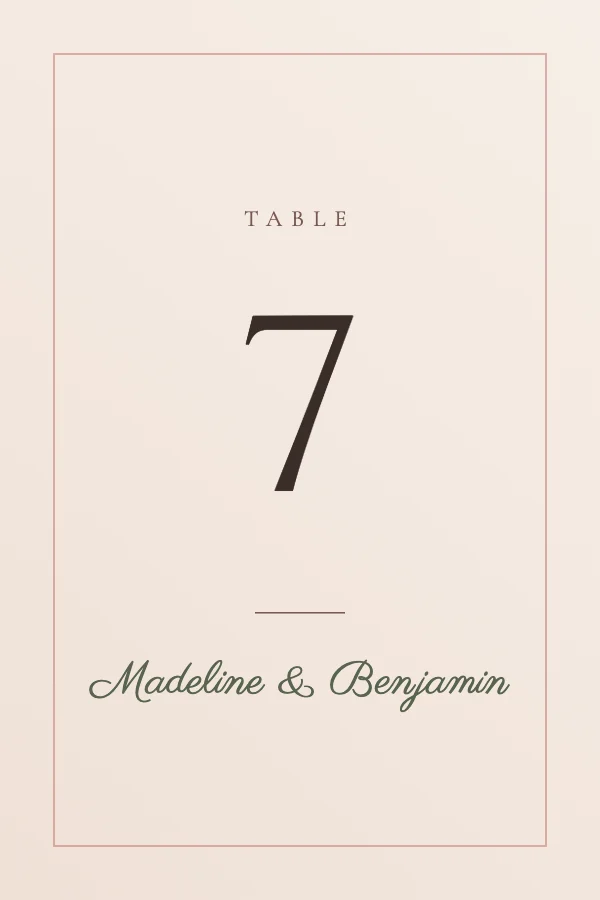 Elegant Wedding Table NumberPro
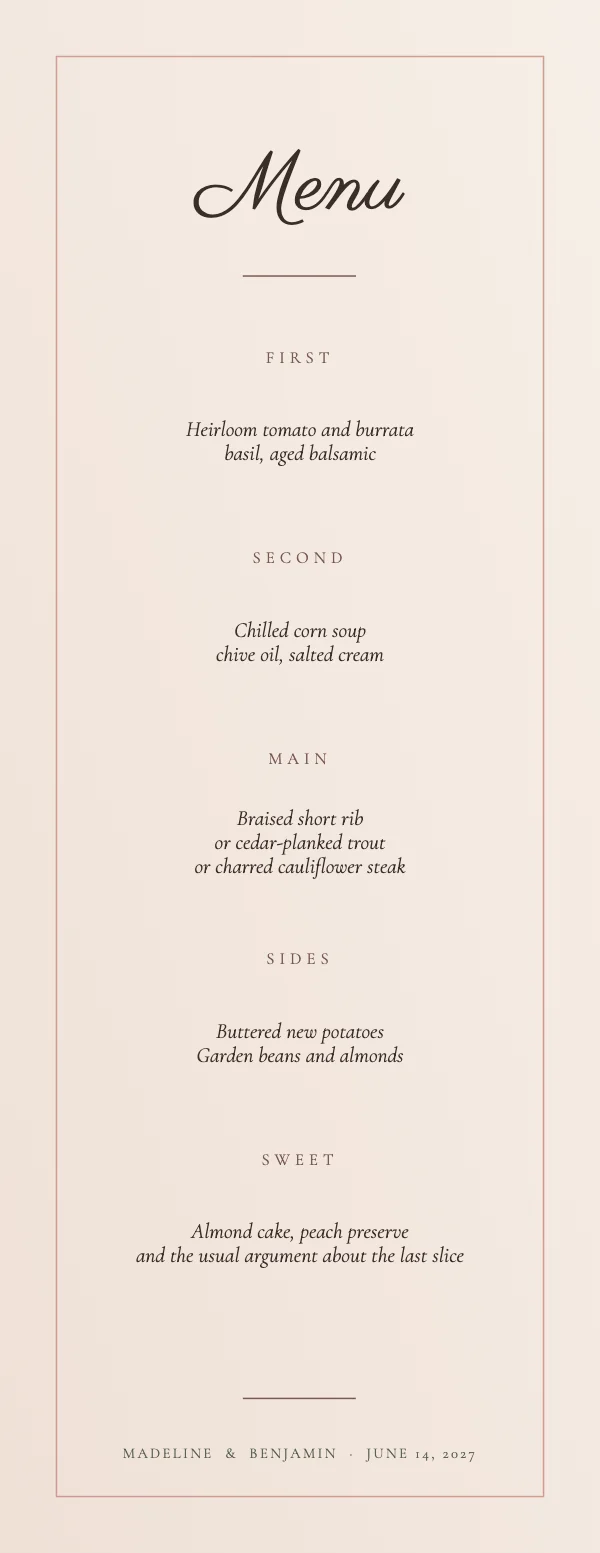 Elegant Tall Wedding Menu CardPro
Choose the size by the envelope, not by the design
This is the one rule on this page that will save you a reprint. Cards are sold to fit envelopes, and envelopes come in fixed sizes. Design a card at a size no envelope fits and you have a beautiful piece of paper and a problem.
| Card | Envelope it fits | What it is normally used for |
|---|---|---|
| 5 × 7 in | A7 (5.25 × 7.25 in) | The default wedding and formal invitation. The most-stocked envelope size there is |
| 4 × 6 in | A6 (4.75 × 6.5 in) | Save the dates, party invitations, postcards. Also mails as a postcard with no envelope |
| A2, 4.25 × 5.5 in | A2 (4.375 × 5.75 in) | Thank yous, RSVP cards, note cards, folded greeting cards. Half a letter sheet, which is why it is cheap to print |
| 3.5 × 5 in | 4-bar / A1 (3.625 × 5.125 in) | Enclosure and detail cards — reception, directions, registry |
A2 is a name, not a paper standard. The US card size A2 is 4.25 × 5.5 inches. It is unrelated to ISO A2, which is a poster-sized sheet, and the collision catches people out constantly. If you are buying envelopes in the US and the packet says A2, this is the size it means.
The rule of thumb behind the table: the envelope is about 0.25 inch larger than the card in each direction. Anything tighter and you cannot get the card in without bending a corner.
Several of these cards belong to one wedding and are drawn as a matching suite — invitation, save the date, RSVP, details enclosure, program, menu, place card, table number and thank you. They are collected, with the mailing timeline and the count each piece needs, on the wedding templates page.
Bleed and safe area on something this small
Most cards here carry 0.125 inch of bleed, and on a card that bleed matters more than it does on a poster, because the piece is small enough that a trimming error is a large proportion of it. An eighth of an inch off a 24 × 36 poster is nothing; an eighth of an inch off a 3.5 × 5 enclosure card is a visibly crooked border.
Which leads to the one design decision worth making consciously: a thin border on a small card is a bad idea. A quarter-inch frame around a 5 × 7 that is meant to be even will not be even — the blade will make one side thicker than the other, and the eye is very good at seeing that. Either run the color right off the edge with full bleed, or use a generous border of half an inch or more where a small error is invisible. The in-between is where cards look badly made.
Keep every piece of text at least 0.25 inch inside the trim. On a 3.5 × 5 card that leaves 3 × 4.5 inches of usable area, which is less than it sounds and is exactly why enclosure cards carry three lines and not eight.
Printing at home versus sending them out
At home, the practical route is to print more than one card per sheet and cut them down. Two 5 × 7s do not fit on a letter sheet with any margin, but four A2 cards fit a letter sheet exactly (4.25 × 5.5 is precisely a quarter of 8.5 × 11) and two 4 × 6 cards fit comfortably. Print without bleed if you are cutting by eye, and with bleed only if you have a guillotine or a trimmer with a real fence — bleed is only useful if you can cut accurately enough to land inside it.
Use a card stock your printer will actually take. Most home printers stop around 65–80 lb cover; past that the sheet does not turn the corner and you get a jam or a smear. Feed one sheet at a time and let each dry before stacking, because inkjet on coated card offsets onto the back of the next sheet for several minutes.
Sending them out costs less than people expect for anything past about thirty cards, and the difference in feel is large — a professionally trimmed card on 110 lb stock with a clean edge is a different object. Send a PDF at trim with bleed included, say the trim size, and say whether you want them scored if they fold.
Folded cards fold at the middle, and the file is twice the size
A folded A2 card is an 8.5 × 5.5 flat sheet scored down the middle. A folded 5 × 7 is a 10 × 7 flat sheet. The template you want depends on which you are making, and the mistake is designing the front panel at the finished size and then discovering the file has no back.
If you are making a folded card from a flat template, set the document to twice the width (or twice the height, for a top fold), lay the front on the right-hand half, and remember that anything crossing the fold gets a crease through it — which is fine for a color field and unkind to a face or to type.
Ask for a score. A card stock over about 80 lb cracks along the fold if it is simply folded, and the crack shows white along the crease. Scoring is a machine pass that crushes the fibers first; any print shop does it and it costs almost nothing.
Photographs on a card
A card is held at arm's length, which is the one case that genuinely wants 300 DPI. A 5 × 7 photograph at 300 DPI needs 1,500 × 2,100 pixels — well inside what any phone takes, and well past what a picture saved off a messaging app or a social profile will give you. That is the usual source of a disappointing photo card: the image was fine, the copy of it was not.
Crevano reads the number off the file and shows it at the size you are using the picture, with the axis that ran out named underneath. If it says the picture is too enlarged, get the original off the camera rather than out of a chat thread.
Questions
What size should an invitation be?
5 × 7 inches is the standard for weddings and formal invitations, and A7 envelopes for it are stocked everywhere. 4 × 6 is the usual save-the-date and party size. Match the card to an envelope you can actually buy before you design it.
What size envelope do I need?
About a quarter inch larger than the card in each direction: A7 for a 5 × 7, A6 for a 4 × 6, A2 for a 4.25 × 5.5, and a 4-bar for a 3.5 × 5. Buy the envelopes first if the color matters — envelope colors are far more limited than card stock.
What is an A2 card?
4.25 × 5.5 inches — the standard US note-card and thank-you size, and exactly a quarter of a letter sheet. It has nothing to do with ISO A2 paper, which is poster sized. If a US packet of envelopes says A2, it means 4.25 × 5.5.
Do invitations need bleed?
Yes, if any color or photograph runs to the edge — 0.125 inch on each side, which every template here carries. If the card has a wide white border, you can skip it. Avoid thin borders on small cards either way; the trim will not be even enough for them.
Can I print invitations at home?
Yes, and the economics are good at small quantities. Four A2 cards fit a letter sheet exactly; two 4 × 6 cards fit comfortably; 5 × 7 is one per sheet with trimming. Check your printer's maximum card weight — most stop around 65–80 lb cover.
How do I cut them straight?
A guillotine or a rotary trimmer with a fence, not scissors and not a craft knife freehand. Cut the long edges first, take one thin pass rather than trying to be exact in one cut, and check the blade is not pulling the stack — a slipped sheet is where a crooked card comes from.
What paper should I use for invitations?
110 lb cover is the usual weight for something that should feel substantial in the hand; 80 lb is the light end. Matte and uncoated take ink well and are easy to write on; a coated stock holds photographs better and will not take a fountain pen.
How do I print a folded card?
Design it flat at twice the finished size — 8.5 × 5.5 for a folded A2, 10 × 7 for a folded 5 × 7 — with the front on the right-hand half. Ask the print shop to score it. Anything above about 80 lb will crack along the fold if it is folded without being scored first.
What file do I send the printer?
A PDF at the trim size with bleed included, and say the trim size and whether it folds. Crevano writes each page as a lossless 300 DPI image inside the PDF. If they want crop marks or a vector file, ask before you send.
Where to go next
Sizes in this category
Put together an occasion
Every category
How printing works
Open any of these and it is already the right size. Bleed, margins and trim are set, and there is no watermark on anything you export — on any plan, ever.